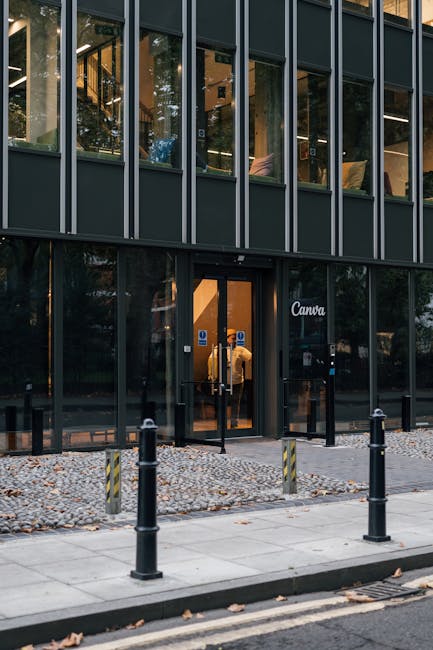
Office clear-outs for Tottenham Court Rd businesses in Fitzrovia
If you run a business near Tottenham Court Road, you already know how quickly office space can get tight. One month the place feels organised; the next, there are old desks, tangled cables, broken chairs, archive boxes, and "temporary" storage that has somehow become permanent. Office clear-outs for Tottenham Court Rd businesses in Fitzrovia are about more than just making room. Done properly, they help you reduce disruption, protect data, keep staff safe, and present a more professional workspace. And truth be told, in a busy part of central London, that matters a lot.
This guide explains how office clear-outs work, what to expect, what to watch out for, and how to plan the job without turning the week into chaos. You will also find practical checklists, comparisons, and answers to the questions people actually ask before they book. If you need a broader service overview, you may also want to look at our office clearance service, plus related support such as business waste removal and furniture disposal.
Why office clear-outs for Tottenham Court Rd businesses in Fitzrovia matter
Office space around Tottenham Court Road and Fitzrovia tends to be highly used, often compact, and frequently shared between teams, contractors, and changing layouts. That makes clutter build up quickly. A clear-out is not just a tidy-up; it is a reset. It helps a business decide what stays, what goes, and what needs special handling. In many offices, the first sign that a clear-out is due is simple: people start moving things from one corner to another because there is nowhere left to put them.
That kind of buildup has real consequences. Fire exits can become obstructed. Desks can be overfilled with old equipment. Storage rooms turn into a mystery pile of unused monitors, packing material, and redundant office chairs. Staff waste time navigating around things that should have left months ago. A proper clear-out restores working space and usually restores a bit of calm too. Not glamorous, but very useful.
For businesses in Fitzrovia, location matters as well. Central London buildings often have access constraints, shared entrances, strict loading considerations, and limited lift capacity. The job is rarely as simple as "take the stuff away." It usually involves planning around building rules, office hours, noise, and whatever the day throws at you. That is why a structured approach pays off.
There is also the commercial side. If you are downsizing, refurbishing, relocating, or just modernising the office, the clear-out often sits right in the middle of the project. It can affect timelines, fit-out work, cleaning, and IT removal. Handle it badly and one small delay ripples across the whole move. Handle it well and everything feels much smoother.
How office clear-outs for Tottenham Court Rd businesses in Fitzrovia works
Most office clear-outs follow a fairly clear sequence, even if the details vary by building and business type. The aim is to remove unwanted items efficiently while keeping the workplace safe and the process as unobtrusive as possible.
1. Initial assessment
The first step is usually a walkthrough or a detailed discussion. You identify what needs removing, what stays, and whether anything requires special treatment. A small office clear-out might involve only a few desks and some shelving. A larger project could include archive boxes, filing cabinets, boardroom furniture, kitchen equipment, and mixed office waste.
2. Sorting and separating items
This is where decisions are made. Good clear-outs sort items into categories such as reusable furniture, recycling, confidential waste, electrical items, and general rubbish. If you are disposing of bulky items, it is often worth checking whether furniture clearance is the most suitable route, especially for desks, chairs, cabinets, and meeting-room pieces that are still in decent condition.
3. Safe removal from the premises
In Fitzrovia and around Tottenham Court Road, safe removal often depends on access. Narrow stairwells, lifts shared with other tenants, and tight loading bays can all affect how the job is done. A well-run team will plan the route, protect walls and floors where needed, and keep disruption down. That part sounds simple, but it is usually where experience really shows.
4. Transfer, reuse, recycling, or disposal
Once the items are out, they should be directed to the right next step. Reusable items may be separated for reuse. Recyclable materials should be treated accordingly. Some items, such as old electronics or damaged furniture, may need specialist disposal. If your office clear-out includes mixed rubbish, a broader waste removal service can be helpful.
5. Final sweep and sign-off
The last step is often the most satisfying. A final check ensures the agreed items are gone and the workspace is ready for whatever comes next: refurbishment, reoccupation, deep cleaning, or handing the space back. When done properly, the office feels instantly lighter. You can almost hear it breathe again, if that does not sound too odd.
Key benefits and practical advantages
A good office clear-out delivers more than just an empty room. It solves several practical problems at once.
- More usable space: Clearing redundant items gives staff room to work properly, store essentials, and move safely.
- Better presentation: If clients, landlords, surveyors, or incoming tenants see the space, first impressions matter.
- Reduced safety risks: Fewer obstructions means less trip risk and cleaner access to exits and work areas.
- Smoother refurbishments: Contractors can work more efficiently when the office is clear and ready.
- Improved organisation: A clear-out forces the question: what do we actually need, and what is just taking up room?
- Support for sustainability goals: Reuse and recycling can reduce unnecessary waste, which is especially relevant for businesses looking to improve their environmental approach. See also recycling and sustainability.
There is another benefit people do not always mention: morale. A clearer office can make a team feel more settled. Not every employee will say it out loud, but a tidy, breathable space usually feels easier to work in. On a rainy Monday morning, that counts for something.
Expert summary: For Tottenham Court Road and Fitzrovia businesses, office clear-outs work best when they are planned around access, sorting, data security, and recycling - not just speed. The fastest-looking option is not always the smoothest one.
Who this is for and when it makes sense
Office clear-outs are not just for companies in crisis or during a full relocation. In practice, they suit a wide range of situations.
- Businesses moving office: If you are relocating, clearing the current space is part of the move itself.
- Companies downsizing: When the new footprint is smaller, you need a realistic way to reduce furniture and equipment.
- Landlords and managing agents: End-of-lease clear-outs often need to happen quickly and neatly.
- Growing teams: Sometimes an office clear-out creates the room needed for a better layout or extra desks.
- Fit-out and refurbishment projects: Contractors need the old office contents removed before work begins.
- Businesses clearing storage areas: Archive rooms, cupboards, back offices, and spare spaces can fill up over time.
It also makes sense when equipment is old, damaged, or no longer fit for purpose. A stack of mismatched chairs, a few dead printers, and a pile of outdated filing cabinets can quietly make the whole office feel behind the times. Sometimes the space is trying to tell you something.
If the clear-out includes mixed domestic-style items from a staff room, annex, or adjacent property, related services such as home clearance or house clearance may be relevant in certain mixed-use situations, though an office-specific service is usually the right starting point.
Step-by-step guidance
If you want the process to run smoothly, a little preparation goes a long way. Here is a practical approach that works well for most Fitzrovia offices.
- Define the scope. Decide exactly which areas are being cleared: desks, storage rooms, meeting rooms, kitchen space, reception, or the entire floor.
- Create categories. Separate items into keep, reuse, recycle, confidential, and dispose. Simple labels help. Boring, yes, but effective.
- Protect sensitive material. Put documents, hard drives, badges, and any confidential records aside for secure handling.
- Check access details. Confirm lift availability, parking, loading restrictions, building rules, and permitted time slots.
- Remove obvious keepers first. Staff laptops, personal items, live files, and essential equipment should be taken out before any clear-out begins.
- Prioritise bulky items. Desks, chairs, cabinets, and shelving usually take the most time, so plan them carefully.
- Deal with special waste separately. IT equipment, batteries, or anything hazardous should not be lumped in with general rubbish.
- Walk through the space at the end. A final check avoids annoying surprises like a forgotten filing cabinet in a corner.
A real-world example: a small consultancy near Tottenham Court Road may only need two hours of sorting and a single removal slot, while a larger agency with shared storage might need a phased clear-out over a day or two. Same area, very different job. That is why a one-size-fits-all approach rarely works well.
Expert tips for better results
Here are the small details that make a clear-out feel well managed rather than rushed.
- Book around your business rhythm: Early morning or quieter afternoons can reduce disruption. Friday clear-outs often work well if the office is less busy.
- Think in zones: Clearing one area at a time is usually calmer than trying to empty the whole office in one go.
- Use one decision-maker: Too many people giving instructions creates confusion fast. One person should have final say.
- Photograph items before disposal if needed: Useful for asset records, internal sign-off, or landlord handover.
- Ask about reuse: Some furniture can be moved to another site or donated for reuse rather than thrown away.
- Keep cables and accessories together: Nothing eats time quite like a random drawer full of chargers and mystery leads.
If the office contains a mix of old furniture and general rubbish, it can help to separate the disposal route. For example, better-condition items might fit a furniture-focused service, while loose mixed waste can go through business waste removal or the wider waste removal offering.
And one more thing: do not leave the last-minute sorting to the removal day unless you enjoy chaos. It rarely ends well.
Common mistakes to avoid
Office clear-outs look straightforward until the practical bits appear. These are the mistakes that tend to cause friction.
- Starting without a plan: Moving things randomly creates extra work and can block access routes.
- Ignoring confidential data: Paper records, hard drives, and storage media need a proper process.
- Underestimating access constraints: A narrow staircase or limited loading bay can change the whole schedule.
- Mixing everything together: Recyclables, furniture, electrical items, and general waste should not all be treated the same way.
- Leaving bulky items to the end: Large furniture can be the slowest part of the job.
- Forgetting stakeholder sign-off: If landlords, facilities teams, or IT need to approve anything, do that early.
To be fair, most of these mistakes are understandable. Office clear-outs often happen when everyone is busy. But "busy" is not a great strategy. A bit of structure saves time later, and everyone feels it.
Tools, resources and recommendations
You do not need a mountain of equipment to organise a good clear-out, but a few basic tools make life easier.
- Labels or coloured tape: Helpful for marking keep, recycle, dispose, and confidential items.
- Inventory sheet: A simple list of items removed can help with asset tracking and handover.
- Boxes or crates: Useful for grouping loose items, cables, and documents.
- Protective materials: Floor coverings, corner protectors, and wraps may be sensible in shared buildings.
- Secure containers: For sensitive paperwork or small high-value items awaiting disposal.
For decision support, these website pages are particularly useful:
- pricing and quotes if you want to understand how estimates are typically arranged
- insurance and safety if you need reassurance about working practices
- health and safety policy for a better sense of site conduct and risk awareness
- about us if you want to know more about the company behind the service
- contact us for a direct next step
If you are comparing services, ask clear questions about timing, access, item types, and whether sorting is included. It sounds obvious, but plenty of jobs go sideways because those basics were never nailed down.
Law, compliance, standards and best practice
Any office clear-out should be handled with care around waste duty, data security, and on-site safety. The exact obligations will depend on the type of material involved and the nature of your business, so this section is best understood as practical guidance rather than legal advice.
In general, UK businesses are expected to ensure that waste is transferred to an appropriate and responsible carrier, and that hazardous or specialist items are dealt with properly. That matters if your office includes electrical equipment, batteries, toner cartridges, confidential records, or anything that could pose a risk if simply left in a pile. If you are unsure, ask before removal day rather than afterwards. It saves headaches.
Confidential waste deserves special mention. Filing cabinets full of old client documents should not be treated like ordinary rubbish. Nor should hard drives be casually tossed in with mixed waste. A proper clear-out should give you confidence that sensitive materials are handled securely and with the right controls.
Safety is another big one. Offices often contain heavy furniture, awkward items, and tight corners. Moving a desk down a narrow stairwell is not the moment to discover a missing risk assessment. Good practice usually includes clear access routes, protective handling, and sensible load management. In shared buildings, it also helps to keep noise and disruption down.
For businesses that want to align the clear-out with wider responsible disposal practices, the recycling and sustainability page is a useful reference point. It is not about perfect virtue; it is about making sensible choices and avoiding unnecessary waste.
Options, methods and comparison table
Different office clear-outs call for different approaches. The best option depends on the size of the office, the amount of waste, the type of items involved, and how much time you have.
| Method | Best for | Advantages | Limitations |
|---|---|---|---|
| In-house clear-out | Very small jobs with plenty of staff time | Simple to arrange, low direct cost | Time-consuming, risk of poor sorting, can disrupt the team |
| Phased office clearance | Medium or busy offices that need minimal disruption | Controlled, flexible, easier to fit around operations | May take longer overall |
| Full-service removal | Large clear-outs, relocations, end-of-lease jobs | Fast, efficient, less internal workload | Needs good planning and clear instructions |
| Furniture-only disposal | When most items are desks, chairs, cabinets, or reception furniture | Clear scope, useful for bulky items | Not suitable for mixed waste or confidential materials alone |
| General business waste removal | Mixed non-confidential office waste | Flexible for everyday business rubbish | Not ideal as a standalone solution for furniture-heavy clear-outs |
In many Tottenham Court Road and Fitzrovia offices, the answer is a blend: furniture clearance for the bulky pieces, waste removal for the rest, and careful handling for anything sensitive. That mix is often more efficient than trying to force everything through one lane.
Case study or real-world example
Picture a small marketing office just off Tottenham Court Road. The team is moving to a more compact floorplate in Fitzrovia and has one week to clear the current space. There are six desks, several office chairs, a meeting table, filing cabinets, archived paperwork, and a back room full of "we will sort it later" items. You know the sort.
The project goes best when the team separates live files from archive material first, then identifies reusable furniture, then sets aside bulky waste for removal. A short morning slot is booked so the building lift is free. The hallway is protected, and the items are removed in stages rather than all at once. The result is not just an empty office, but a clean handover and a smoother move into the next space.
What made the difference? A few simple things: clear decisions, early sorting, and realistic planning around access. Nothing dramatic. Just good habits applied at the right time.
That is usually how these jobs work in real life. The successful ones are rarely heroic. They are organised.
Practical checklist
Use this checklist before the clear-out begins. It is simple, but it helps.
- Confirm the clear-out scope and rooms involved
- Identify any confidential documents, data devices, or secure items
- Separate items to keep, reuse, recycle, or dispose
- Check building access, lift use, parking, and loading restrictions
- Remove personal belongings and live work materials first
- Flag any heavy, awkward, or fragile furniture
- Decide whether furniture, waste, or mixed removal is the best fit
- Notify staff, facilities teams, and any relevant building contact
- Arrange a final walk-through after removal
- Keep a record of what was cleared if your business needs one
Quick takeaway: If you plan the access, sort the items properly, and treat confidential material carefully, the rest usually falls into place.
Get a free quote today and see how much you can save.
Conclusion
Office clear-outs for Tottenham Court Rd businesses in Fitzrovia are most effective when they are treated as part of a wider operational plan, not just a tidy-up job. The best results usually come from a bit of structure, clear communication, and a removal approach that fits the building as well as the business. That might mean phased clear-outs, careful furniture removal, secure handling of documents, or a broader waste solution depending on what is in the office.
For many local businesses, the real value lies in what happens after the clutter goes. A calmer layout. Safer walkways. Better use of space. Less visual noise. And, if you are honest, a small sense of relief when you can finally see the floor again.
If you are ready to move from planning to action, start with the service information, check the practical details, and ask for a quote that reflects your actual needs rather than a rough guess. Small step first. Much easier that way.
There is something quietly satisfying about a well-cleared office. It gives a business room to think again.
Frequently Asked Questions
What is included in an office clear-out for a Fitzrovia business?
It usually includes the removal of unwanted office furniture, general business waste, redundant equipment, and other items agreed in advance. Depending on the job, it may also involve sorting, recycling, and careful handling of confidential materials.
How far in advance should I book an office clearance near Tottenham Court Road?
As early as you can, especially if your building has restricted access or you are working to a move-out deadline. Even a short lead time helps with planning, but more notice usually means a smoother job.
Do I need to sort everything before the clear-out starts?
Not necessarily, but it helps a lot. At minimum, separate anything you are keeping, any confidential items, and any equipment that needs special handling. The more you sort beforehand, the faster the process tends to go.
Can office furniture be reused rather than thrown away?
Often yes, depending on its condition. Good-quality desks, chairs, and cabinets may be suitable for reuse or redistribution. If not, they should still be directed to the most appropriate disposal route.
What happens to old office documents and files?
They should be handled securely. If the documents contain sensitive information, they should not be mixed in with ordinary waste. Ask how confidential material is separated and disposed of before the job starts.
Is a clear-out different from regular business waste removal?
Yes. Business waste removal is usually better for ongoing or mixed day-to-day waste, while a clear-out is more focused on removing larger volumes of furniture, equipment, and accumulated items from one space.
How do I know whether I need furniture clearance or office clearance?
If the main issue is desks, chairs, filing cabinets, and similar items, furniture clearance may be the closest fit. If you also have mixed waste, documents, and miscellaneous office contents, full office clearance is usually more appropriate.
Can an office clear-out be done outside normal working hours?
Often it can, subject to building rules and access arrangements. Early mornings, evenings, or quieter periods may reduce disruption, which is especially useful in central London offices.
What should I ask before I book?
Ask about access requirements, item types accepted, how confidential waste is handled, what happens to reusable furniture, and how pricing is structured. Those questions avoid a lot of confusion later.
Are there special considerations for offices in older Fitzrovia buildings?
Yes. Older buildings may have narrow staircases, tight corridors, limited lift access, or loading restrictions. That can affect timing, manpower, and the removal method, so it is worth mentioning early.
How can I make the clear-out less disruptive to staff?
Use a phased approach, label items clearly, remove personal effects first, and keep one person responsible for final decisions. In practice, a calm plan beats a rushed one almost every time.
Where can I find more information about the service and next steps?
You can review the main office clearance page, check pricing and quotes, or go straight to contact us if you are ready to discuss your office clear-out in detail.