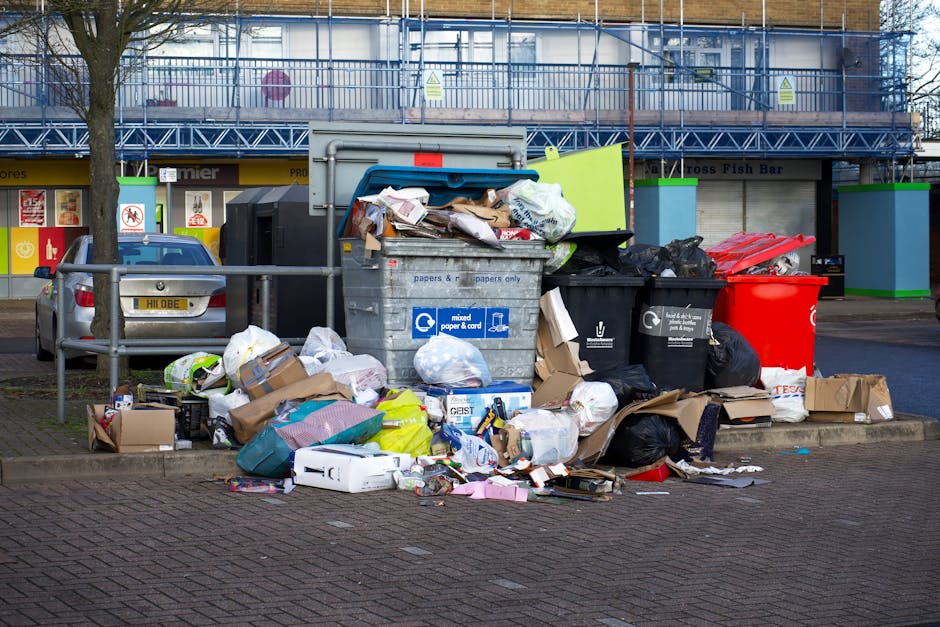
After hours rubbish collection Charlotte Street W1
If you need After hours rubbish collection Charlotte Street W1, you are usually dealing with one of those jobs that simply cannot wait until morning. Maybe the office has shut, the restaurant has had a late delivery and the packaging is piling up, or a flat clearance has to happen quietly after everyone has gone home. Whatever the reason, out-of-hours rubbish collection can be the calm, practical fix that keeps a busy street running smoothly.
Charlotte Street sits in the middle of a lively part of London, where timing matters almost as much as the clearance itself. In a location like this, the wrong collection time can create awkward access issues, noise complaints, blocked pavements, and a lot of unnecessary stress. This guide breaks down how after-hours collections work, who they suit, what to expect, and how to avoid the mistakes that tend to trip people up. Truth be told, the difference between a smooth clearance and a messy one is often in the planning.
For readers comparing wider service options, it can also help to understand how after-hours collections sit alongside general waste removal, commercial business waste removal, or more specialised jobs such as office clearance. The core idea is simple: get the waste gone at a time that works for the building, the street, and the people using it.
Contents
- Why After hours rubbish collection Charlotte Street W1 Matters
- How After hours rubbish collection Charlotte Street W1 Works
- Key Benefits and Practical Advantages
- Who This Is For and When It Makes Sense
- Step-by-Step Guidance
- Expert Tips for Better Results
- Common Mistakes to Avoid
- Tools, Resources and Recommendations
- Law, Compliance, Standards, or Best Practice
- Options, Methods, or Comparison Table
- Case Study or Real-World Example
- Practical Checklist
- Conclusion
- Frequently Asked Questions
Why After hours rubbish collection Charlotte Street W1 Matters
In a busy central London setting, rubbish does not just disappear on its own, inconvenient as that would be. Timing is a real operational issue. Charlotte Street has a mix of offices, flats, hospitality venues, and managed buildings, so daytime access can be tight. Deliveries come and go, lifts are shared, kerb space is limited, and people are trying to get on with their day. A collection after hours cuts through that chaos.
There is also a quieter but important point: after-hours collections often reduce disruption for neighbours and building users. Nobody wants a bin bag shuffle at 9am when clients are arriving or tenants are carrying coffee and laptop bags through the lobby. If you have ever heard a trolley clatter down a corridor just as a meeting is starting, you will know the feeling. Not ideal.
Another reason it matters is presentation. Many businesses on or near Charlotte Street need to keep their frontage tidy, especially if waste build-up would be visible to customers, residents, or landlords. A late collection can restore order before the next working day, which is often the difference between looking organised and looking behind.
For larger or mixed loads, after-hours scheduling can also support more specific clearances. For example, post-refurbishment packaging may be combined with builders waste clearance, while household overflow or end-of-tenancy items may sit more naturally within flat clearance or house clearance. The right timing makes all of these jobs simpler.
Expert summary: After-hours rubbish collection is less about "fancy service" and more about control. It gives you cleaner access, fewer interruptions, and a better chance of completing the job without bothering the whole street.
How After hours rubbish collection Charlotte Street W1 Works
The basic process is straightforward, but the details matter. A reputable collection starts with a clear understanding of what needs removing, where it is located, and what access is available outside normal hours. That might sound obvious, yet it is where many delays begin.
Usually, the work starts with a short assessment: the type of rubbish, approximate volume, any awkward items, parking or loading constraints, lift access, and any building rules. If the job involves furniture, bulky items, or mixed waste, the collection team may plan for safe lifting, dismantling, or segregation. If it is a business premises, they may also ask about restricted access points, security contacts, and building alarm procedures. Simple stuff, but crucial.
After-hours work often means the team arrives during an agreed window, removes the waste quickly and quietly, and leaves the site clear for the morning. On a practical level, that might include sacks, broken furniture, packaging, old office equipment, or renovation offcuts. The team should also know how to work around narrow entrances, shared hallways, and neighbours who would very much prefer to keep sleeping.
In some cases, collections are linked with item-specific services. Heavy desks, worn reception seating, or unwanted shelving may be best handled as furniture clearance or furniture disposal. Domestic jobs might include home clearance, while storage overflow and tucked-away clutter can call for garage clearance or loft clearance.
Let's face it, the best collections are the ones you barely notice happen. Waste goes out, the premises stay tidy, and the next morning feels reset.
Key Benefits and Practical Advantages
After-hours rubbish collection brings more than just convenience. It is often the option that protects the rhythm of a whole building or business day.
- Less disruption: staff, customers, residents, and visitors are not working around a clearance crew.
- Better access: loading bays, lifts, and corridors are often easier to use later in the evening or early morning.
- Cleaner presentation: the site can be reset before opening hours, which helps front-of-house spaces look professional.
- Reduced conflict: fewer awkward moments with neighbours, landlords, or building managers.
- More flexibility: the work can be timed around deliveries, events, shift patterns, or access controls.
- Faster practical turnaround: a late collection can support next-day operations with less clutter in the way.
There is also a hidden benefit: better decision-making. When the job is booked for after hours, people tend to prepare more carefully. They stage items, label what is staying, and clear routes in advance. That small amount of preparation saves a lot of scrambling on the day. A surprising amount, actually.
If waste includes ongoing commercial output, it may be worth thinking beyond a one-off collection and considering a more regular arrangement through business waste removal. For many premises, the right mix is one-off after-hours support plus a routine plan for everyday waste.
Who This Is For and When It Makes Sense
This service is useful for a wide range of people and organisations, but it is especially relevant where daytime disruption would be costly or awkward.
Businesses and offices
Offices, co-working spaces, studios, and professional services firms often need rubbish removed after people have left for the day. That might be due to a refurbishment, a move, a storage clear-out, or a general tidy-up before the next working morning. If your office is on a tight schedule, after-hours is often the sensible choice, not the luxury choice.
Hospitality and retail
Restaurants, cafes, bars, and small shops may need packaging, old equipment, damaged stock, or refurbishment waste removed out of view. A late collection keeps customer areas usable and prevents unsightly build-up near entrances or service doors.
Residents and landlords
Flat occupants, landlords, and letting agents may use after-hours rubbish collection when access is easier in the evening or when a tenancy changeover is running to a tight timetable. It can be particularly useful where shared hallways or access codes mean daytime coordination is a headache.
Contractors and building managers
Small builders, fit-out teams, and managing agents often need a site cleared after work has finished, ready for the next day. That is where timing saves money and avoids friction. If the waste is heavy or mixed, a planned after-hours visit can be far less stressful than trying to squeeze everything into a daytime slot.
It makes sense when the waste is urgent, the site is busy, or the premises must look clean by morning. It may not be the best fit if the rubbish is small, easy to bag, and can wait. Basic judgment helps here. No need to overcomplicate it.
Step-by-Step Guidance
If you want the collection to go smoothly, the preparation is half the job. Here is a practical way to handle it.
- Identify the waste clearly. Separate general rubbish, bulky items, recyclable materials, and anything potentially sensitive or hazardous.
- Check access before booking. Measure doorways, consider stairs or lift use, and confirm whether the vehicle can park or load nearby.
- Choose the right time window. Late evening, overnight, or very early morning may all work differently depending on the building and street.
- Notify the right people. Building managers, security staff, reception, or neighbours may need to know what is happening and when.
- Stage the waste neatly. Put items in one place if possible. That speeds things up and reduces foot traffic through the site.
- Protect the route. If items need carrying through hallways or lifts, make sure floors and corners are clear. A quick run with a trolley can leave scuffs if nobody has thought ahead.
- Confirm what happens to the waste. Ask how recyclable materials, reusable items, and mixed loads are handled.
- Review the job after collection. Check that the agreed items are gone and the area has been left tidy.
For many readers, the most helpful part is stage three and four. After-hours work is not just about timing the truck. It is about timing the building around the truck.
Expert Tips for Better Results
Small improvements make a huge difference with late collections. In our experience, the smoothest jobs usually share the same habits.
Tip 1: Label what is leaving. If there are multiple teams or rooms involved, labels prevent mistakes. A yellow sticker on items to keep can save a lot of "was that meant to go?" moments.
Tip 2: Keep sensitive items separate. Documents, electronics, and anything with personal data should be dealt with carefully. If you are clearing office furniture or IT waste, check everything before it goes out.
Tip 3: Avoid leaving loose waste in shared areas. Bags and boxes in hallways create clutter and can slow the whole job. Better to stage them in one controlled area.
Tip 4: Use the calmest access route. It is often smarter to use a rear entrance or service lift than the main reception, even if the front door looks easier on paper.
Tip 5: Build in a buffer. Evening traffic, security handovers, or building access delays happen. A bit of spare time in the booking can spare you a rushed, slightly messy finish.
Tip 6: Think about recycling from the start. If the job includes cardboard, metal, wood, or reusable furniture, ask how it will be separated. Good sorting often improves the environmental outcome and keeps the load tidier.
A slightly unglamorous truth: good rubbish collection is mostly good organisation. Not exciting, but it works.
Common Mistakes to Avoid
Most problems with after-hours collections are avoidable. They happen when people assume the job is simpler than it really is.
- Leaving the booking too late. Good after-hours slots can fill quickly, especially for central locations.
- Underestimating the volume. One or two extra office chairs can be the difference between a quick job and a cramped one.
- Not checking building access rules. Some properties have restrictions for loading, lift use, or security handover that must be handled in advance.
- Mixing different waste types without thinking. The more mixed the load, the more likely the collection takes longer than expected.
- Forgetting about noise. Metal-on-metal, dragging items, and repeated door opening can be annoying in a quiet street at night.
- Assuming all items can go together. Hazardous materials and some electrical items may need separate handling.
- Ignoring the morning-after problem. If the collection ends late and nobody checks the site, leftover packaging or missed items can create a second round of hassle.
One common error is treating after-hours rubbish collection as a last-minute panic button. It can work that way, but it is better when it is planned. Much better, actually.
Tools, Resources and Recommendations
You do not need fancy equipment to prepare well, but a few simple tools help a lot.
- Heavy-duty sacks and boxes: useful for smaller mixed waste and loose packaging.
- Trolley or sack truck: helpful for moving items quietly through corridors or service entrances.
- Labels or tape: good for marking keep, remove, recycle, or fragile items.
- Measuring tape: useful for checking whether furniture, fridges, or bulky items will fit through access points.
- Gloves and basic PPE: sensible for anyone helping sort the waste before collection.
- Simple room-by-room list: ideal for office clearances, flat clearances, or move-out jobs.
As a general recommendation, keep a short written brief for the collection team. It does not need to be formal. Just a concise note with the site access details, the main items, any restrictions, and the contact person. That alone can prevent half the confusion.
If your waste includes a large amount of mixed furniture or a complete room reset, the most relevant service may be furniture clearance. If the work is more general and covers many item types, waste removal keeps things broader and simpler.
Law, Compliance, Standards, or Best Practice
Waste removal in the UK is not just about convenience. There are legal and practical responsibilities around how waste is handled, transported, and transferred. You do not need to be an expert to book a collection, but it does help to choose a provider that works carefully and lawfully.
For readers in London, a few best-practice principles are especially important. Waste should be handled by a suitable operator, the load should be described accurately, and anything that needs special treatment should be identified clearly before collection. That includes bulky items, electrical equipment, and anything that may be contaminated or potentially hazardous.
Businesses should also think about record keeping. If you are arranging repeated collections or managing a site with regular output, paperwork matters more than people expect. Keep notes on what was collected, when, and by whom. It is boring, yes, but future-you will be grateful.
From a safety point of view, good practice includes clear lifting methods, sensible route planning, and proper care in shared spaces. If items are heavy or awkward, they should not be dragged down stairs in a rush just because it is late. That is how damage happens. And sometimes bad backs, which nobody wants.
For more about service standards and the company's approach to care and accountability, you may want to review health and safety policy, insurance and safety, and recycling and sustainability. Those pages help set expectations around responsible working, and they matter whether the job is a one-off or part of a wider plan.
Options, Methods, or Comparison Table
There is more than one way to handle rubbish after hours, and the best option depends on how much waste you have, how fast it needs to go, and how much disruption you can tolerate.
| Option | Best for | Pros | Watch-outs |
|---|---|---|---|
| After-hours collection | Busy premises, shared access, time-sensitive clearances | Low disruption, flexible timing, better street management | Needs good planning and access coordination |
| Daytime collection | Simple jobs, low-traffic sites, flexible schedules | Easy to coordinate, often straightforward | Can interfere with staff, visitors, or deliveries |
| Routine waste service | Regular business waste and predictable output | Reliable, scheduled, less admin over time | Less ideal for one-off bulk clearances |
| One-off clearance | Moves, refurbishments, end-of-project waste | Fast reset of a space, tailored to a specific job | May need stronger planning and sorting |
In practical terms, after-hours is often the most useful option when timing is the real issue. If the waste itself is simple, daytime can be fine. If the waste is not simple, or the building is busy, late collection tends to win. That is the honest answer.
Case Study or Real-World Example
Imagine a small office near Charlotte Street finishing a late-week clear-out. Desks have already been moved, boxes are stacked by the service entrance, and the reception team needs the lobby clear by 8:00 the next morning. During the day, the building is too busy for a full removal. Staff are in meetings, the lift is shared, and deliveries keep arriving.
An after-hours rubbish collection is booked for the evening. The office team spends fifteen minutes beforehand separating cardboard, old chair parts, and general waste. Labels are put on a few items that should remain on site. Security confirms access, the route is cleared, and the collection team arrives in the agreed window. The job is done quietly, without blocking the morning rush or causing friction at the front desk.
What made it work? Not luck. A clear waste list, a sensible timeslot, and a site that was prepared just enough to avoid confusion. Nothing dramatic. No heroics. Just a neat process.
The same approach works for flats, studios, retail units, and contractor jobs. Small building, big building, it still comes down to planning and access.
Practical Checklist
Use this checklist before the collection starts.
- Confirm the exact items to be removed.
- Separate anything staying on site.
- Check whether there is bulky furniture, packaging, or mixed waste.
- Measure any awkward items if access is tight.
- Confirm the access route, lift use, and loading point.
- Tell building staff, neighbours, or security if needed.
- Stage the rubbish in one clear area.
- Keep sensitive or private material apart from general waste.
- Check whether any items need special handling.
- Make sure someone is available at the agreed time.
- Review the area afterwards for missed items or debris.
Quick note: if your job is mainly premises-wide clearance rather than loose rubbish alone, you may also want to look at office clearance or home clearance, depending on the setting.
Conclusion
After hours rubbish collection Charlotte Street W1 is really about keeping a busy area moving without causing avoidable disruption. When it is planned properly, it saves time, reduces stress, and gives you a cleaner start the next day. That is true whether you are handling office waste, a flat turnaround, bulky furniture, or a mixed clear-out after a refurbishment.
The biggest wins usually come from simple things: clear access, honest waste descriptions, and a sensible collection window. Add a bit of care around sorting and safety, and the job becomes much easier for everyone involved. Not glamorous, but very effective.
If you are weighing up your next step, think about the waste type, the access constraints, and how much disruption you can afford. Then choose the approach that makes the building calmer rather than noisier. That is usually the right instinct.
Get a free quote today and see how much you can save.
And if the evening feels a little less cluttered afterwards, well, that is one of those small victories that makes a place feel better straight away.
Frequently Asked Questions
What is after hours rubbish collection in Charlotte Street W1?
It is a rubbish removal service carried out outside normal business hours, usually in the evening or early morning, so waste can be cleared with less disruption to people, traffic, or building operations.
Who usually needs after-hours rubbish collection?
Offices, restaurants, shops, landlords, contractors, and residents often use it when daytime access is too busy or when they want the space reset before the next day starts.
Can bulky furniture be collected after hours?
Yes, if the access route, lift use, and timing are agreed in advance. Bulky items are often easier to move when the premises are quieter, though they may need careful handling or dismantling.
Is after-hours collection better than daytime collection?
Not always. It is better when disruption matters, access is easier later, or the site needs to be clear by morning. For simple small jobs, daytime can be perfectly fine.
How do I prepare for an evening rubbish collection?
Sort the waste, label what should stay, confirm the access route, and make sure someone is available to meet the team. A few minutes of prep can save a lot of back-and-forth.
What kinds of waste are commonly removed after hours?
Common items include bagged rubbish, cardboard, broken furniture, office clutter, packaging, and end-of-project waste. Some jobs also involve mixed clearances from flats or commercial spaces.
Does after-hours rubbish collection help reduce disruption?
Yes. That is one of the main reasons people book it. It can reduce noise, avoid blocked entrances, and keep the next morning running more smoothly.
How much notice should I give for an after-hours booking?
As much as you reasonably can. For urgent jobs, short notice may work, but more lead time usually means better planning, smoother access, and fewer surprises.
Do I need to separate recyclable materials first?
It is strongly recommended. Separating cardboard, metal, reusable furniture, and general waste helps the collection run more efficiently and supports better recycling outcomes.
Are there any compliance issues I should worry about?
Yes, especially for businesses. Waste should be handled responsibly, access should be safe, and any special items should be identified clearly before collection. Careful record keeping is also sensible.
Can after-hours rubbish collection work for a full office clearance?
Absolutely. In fact, it is often a good fit when an office must be cleared without interrupting the working day. It can be combined with furniture and general waste removal for a cleaner result.
What should I check before choosing a provider?
Look at how they handle access, safety, waste types, timing, and recycling. You may also want to review their about us, pricing and quotes, and contact us pages to understand their service approach and next steps.